Respiratory Mechanics Training in Singapore: How Modern Fitness Classes Improve Breath Efficiency and Performance
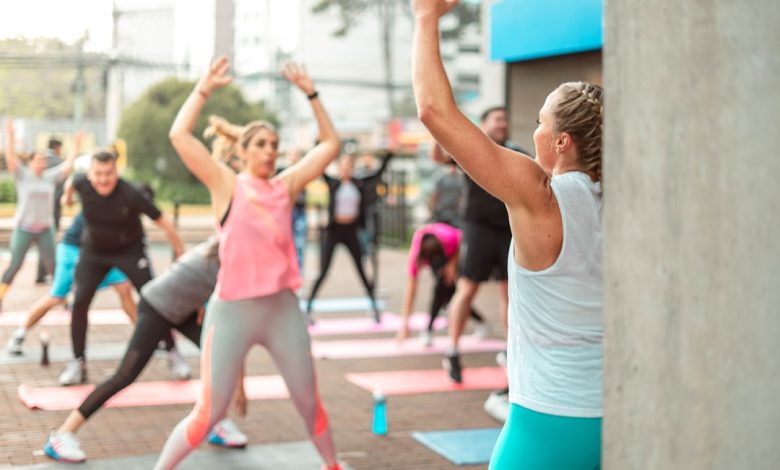
Breathing is the most fundamental movement pattern in the human body yet it is often the least understood. Many individuals train for strength, endurance or flexibility without realising that breath efficiency influences every part of performance. In Singapore, a growing number of studios are introducing respiratory mechanics training within group sessions to help people breathe with more power, rhythm and precision. This shift has led more participants to explore structured formats such as fitness classes singapore where breathing technique is integrated into the overall training philosophy.
Respiratory mechanics refers to how air moves in and out of the body. It includes diaphragm function, rib mobility, lung expansion, airway control and breathing coordination during movement. When these elements work together, the body performs better, recovers faster and maintains stability under effort. For many people living in Singapore’s humid climate, learning how to breathe efficiently also prevents early fatigue because humidity changes how the respiratory system handles airflow.
Why Breathing Technique Matters More Than People Realise
Many people assume breathing is automatic and therefore does not need training. While breathing is definitely automatic, the quality of breath is not. Poor mechanics lead to shallow breathing, excessive neck tension, reduced oxygen uptake and misplaced pressure in the chest.
Efficient breathing improves:
-
Energy levels
-
Stability during strength exercises
-
Heart rate control
-
Mental clarity
-
Movement rhythm
-
Aerobic capacity
When breath becomes more organised, every movement becomes more controlled.
The Science Behind Respiratory Mechanics
Understanding respiratory mechanics begins with the diaphragm. The diaphragm is a dome shaped muscle located beneath the ribs. When it contracts, it pulls air into the lungs. When it relaxes, air leaves the body. The diaphragm works with the intercostal muscles between the ribs and the deep abdominal muscles that stabilise the spine.
Shallow or chest dominant breathing reduces diaphragm engagement. This limits oxygen intake and causes tension in the neck and shoulders. Skill based breath training teaches participants to activate their diaphragm and coordinate breathing with movement patterns.
Why Respiratory Training Fits Singapore’s Fitness Culture
Breath training is growing in Singapore for several reasons. First, the humidity affects how the lungs feel during exercise. Moist air increases perceived breathlessness for many people. Second, Singaporeans often lead high stress lifestyles which tighten the rib cage and shorten breathing patterns. Third, the modern fitness community here values performance efficiency.
Respiratory mechanics training helps people:
-
Handle humidity with less struggle
-
Reduce breathlessness during workouts
-
Improve posture from the inside out
-
Support long term joint health
-
Move with better rhythm and control
How Fitness Classes Teach Respiratory Mechanics
Modern group classes incorporate respiratory work in different formats without making it feel like a separate discipline. Breathing becomes part of movement, not an isolated skill.
Diaphragm Activation Drills
Participants practise inhaling through the nose while expanding the lower rib cage. This teaches the diaphragm to descend fully which improves lung capacity and oxygen flow.
Rib Mobility Sequences
Tight ribs restrict breathing. Classes use lateral flexion, thoracic rotation and targeted stretches to free the rib cage.
Breathing Under Load
Strength training with coordinated breathing teaches the core to stabilise while managing airflow. Proper exhalation during exertion protects the spine.
Airflow Control Drills
These drills train people to control the speed of the breath. Slow controlled exhalation lowers heart rate and reduces fatigue.
Breath Timing in Conditioning Workouts
In interval training, proper breath rhythm helps regulate intensity. Participants learn how to sync inhalation and exhalation with phases of exertion.
How Breathing Improves Strength, Endurance and Stability
Movement is more efficient when breath supports it. Proper breathing improves performance in several ways.
Increased Oxygen Delivery
Better breathing increases the amount of usable oxygen reaching the muscles. This delays fatigue and improves endurance.
Enhanced Core Stability
The diaphragm is part of the core. When it works properly, it stabilises the spine during strength based movements like squats, lunges and presses.
Better Movement Fluidity
Consistent breath rhythm supports balance and coordination which improves flow in dynamic exercises.
Improved Recovery
Controlled exhalation activates the parasympathetic nervous system which speeds recovery after intervals or intense sets.
The Role of Posture in Respiratory Mechanics
Posture directly affects breathing. Slouched posture collapses the rib cage which restricts lung expansion. Group classes often include posture correction drills because alignment enhances breathing capacity.
In Singapore, long work hours at desks or laptops create tight hips and stiff upper backs. Respiratory training complements posture work by teaching the rib cage to expand in multiple directions.
Respiratory Mechanics for Different Age Groups
Breathing training benefits people of all fitness levels and ages.
Young Adults
It sharpens performance in sports and develops better stamina for high intensity workouts.
Working Adults
It counters stress induced shallow breathing and improves focus.
Older Adults
It enhances lung function, balance and walking confidence.
How Singapore’s Humidity Affects Breathing
Humid air slows evaporation of moisture in the lungs which makes exhalation feel more laboured. This is why some people feel breathless faster outdoors in Singapore even at low intensity.
Breathing mechanics help in several ways:
-
Improving airway control
-
Reducing unnecessary tension during inhalation
-
Enhancing oxygen uptake
-
Making exhalation smoother
By training the respiratory system, people manage humidity related discomfort more effectively.
How Studios Structure Respiratory-Focused Classes
Classes that integrate breath mechanics follow a structured approach.
Warm Up with Breath Awareness
Participants learn to notice how they breathe before introducing movement.
Controlled Mobility Work
Mobility sequences open the ribs, shoulders and thoracic spine.
Coordination Sets
Breath timing is paired with movement drills.
Stability Under Load
Participants practise maintaining breath integrity while performing strength based movements.
Cool Down with Parasympathetic Breathing
Sessions end with long exhalations to promote relaxation and recovery.
Why Respiratory Training Creates Long Term Benefits
Respiratory improvements extend beyond workouts. People feel calmer during stress, recover faster from fatigue and maintain better posture through the day.
In the advanced stages of training many eventually look for structured environments like True Fitness Singapore where breath awareness is integrated into strength, conditioning and movement sessions.
FAQ
Why do I feel breathless faster in Singapore than overseas?
Humidity thickens the air and reduces cooling efficiency which increases the effort needed to breathe.
Can respiratory training improve endurance?
Yes. Better breathing mechanics increase oxygen availability and reduce premature fatigue.
How long does it take to improve breathing technique?
Most people notice changes within two to four weeks of consistent practice.
Is breath training suitable for beginners?
It is suitable for all levels because breathing affects every movement pattern.
Can breathing help with posture?
Yes. The rib cage must expand fully for proper breathing which naturally improves postural alignment.