The Essential Role of Healthy Fats in Long-Term Wellness
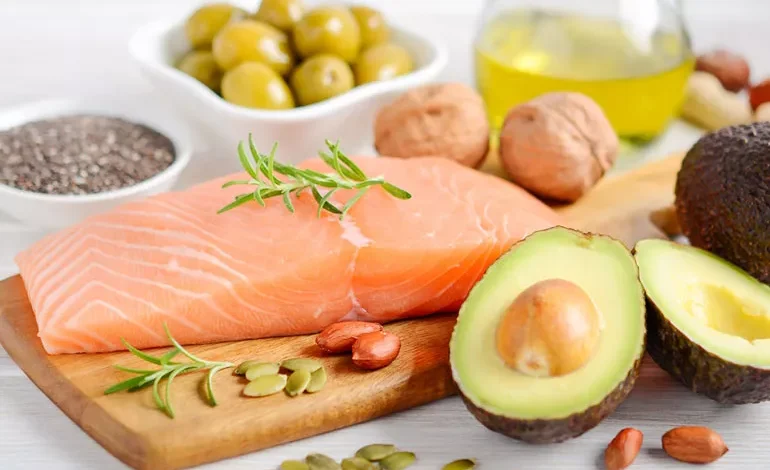
For decades, dietary fat was vilified as the primary culprit behind heart disease and weight gain. The low-fat craze of the late 20th century led many to believe that eliminating fat was the secret to a healthy life. However, modern nutritional science has debunked this oversimplification. We now understand that fat is an essential macronutrient that the body requires to function at an optimal level. The conversation has shifted from avoiding fat to choosing the right types of fat.
Healthy fats are foundational to cellular health, hormone production, and nutrient absorption. Without them, the body cannot thrive. By integrating high-quality fats into a balanced diet, individuals can improve their cognitive function, stabilize their energy levels, and protect their cardiovascular systems.
Defining Healthy Fats versus Harmful Fats
To navigate the world of nutrition, it is vital to distinguish between the various types of fatty acids. Not all fats are created equal, and their chemical structures determine how they interact with your physiology.
Unsaturated Fats: The Wellness Heroes
Unsaturated fats are generally liquid at room temperature and are primarily derived from plants and fatty fish. These are broken down into two main categories:
-
Monounsaturated Fats: Found in abundance in olive oil, avocados, and certain nuts. These fats are famous for their ability to lower LDL (bad) cholesterol levels while maintaining or increasing HDL (good) cholesterol.
-
Polyunsaturated Fats: These include essential fatty acids like Omega-3 and Omega-6. Since the human body cannot produce these on its own, they must be obtained through diet. They are crucial for blood clotting, muscle movement, and reducing systemic inflammation.
Saturated Fats: The Middle Ground
Saturated fats, typically solid at room temperature, are found in animal products and some tropical oils like coconut and palm oil. While long thought to be dangerous, current research suggests they can be part of a healthy diet in moderation. The key is the source; saturated fat from a grass-fed steak or organic coconut oil is processed differently by the body than the fats found in highly processed fast food.
Trans Fats: The Primary Threat
Artificial trans fats are created through industrial processes that add hydrogen to liquid vegetable oils to make them solid. These are found in many fried foods, commercial baked goods, and margarines. Trans fats raise bad cholesterol, lower good cholesterol, and trigger significant inflammation throughout the body. Most health experts agree that the ideal intake of artificial trans fats is zero.
The Biological Necessity of Fat for Brain Health
The human brain is nearly 60 percent fat. This composition makes it clear why fat intake is directly linked to cognitive performance and mental health. Fatty acids are the building blocks of the myelin sheath, the protective coating around neurons that allows electrical signals to travel efficiently throughout the brain.
Omega-3s and Cognitive Longevity
Docosahexaenoic acid (DHA), a specific type of Omega-3, is a primary structural component of the human brain and retina. Regular consumption of Omega-3s has been linked to a reduced risk of cognitive decline and Alzheimer’s disease. These fats help maintain the fluidity of cell membranes, which facilitates better communication between brain cells.
Mood Regulation and Mental Clarity
There is a strong correlation between healthy fat intake and emotional stability. Essential fatty acids help regulate neurotransmitters like serotonin and dopamine. Diets deficient in healthy fats are often associated with higher rates of depression, anxiety, and mood swings. By providing the brain with the lipids it needs, you are essentially “greasing the wheels” of your mental state.
Hormone Production and Regulation
Fats act as the chemical precursors to many of the body’s most important hormones. Without adequate fat, the endocrine system can fall into disarray, leading to issues with metabolism, reproduction, and stress management.
-
Steroid Hormones: Cholesterol, a type of fat, is the starting material for making steroid hormones, including estrogen, progesterone, and testosterone. Low-fat diets can lead to hormonal imbalances that affect everything from libido to muscle mass.
-
Prostaglandins: These hormone-like substances are made from fats and help regulate blood pressure and inflammation. They also play a role in the healing process following an injury.
-
Satiety Hormones: Fat triggers the release of cholecystokinin (CCK) and leptin, hormones that signal to your brain that you are full. This is why a meal containing healthy fats leaves you feeling satisfied for longer, whereas a high-sugar, fat-free meal often leads to a “hunger crash” shortly after.
Enhancing Nutrient Absorption
You are not just what you eat; you are what you absorb. Several vital vitamins are fat-soluble, meaning the body cannot utilize them unless they are consumed alongside a source of fat.
Vitamins A, D, E, and K are all fat-soluble. Vitamin D is essential for bone health and immune function, Vitamin E acts as a powerful antioxidant, Vitamin A is critical for vision, and Vitamin K is necessary for proper blood clotting. If you eat a salad full of leafy greens but use a fat-free dressing, your body will struggle to absorb the nutrients in those vegetables. Adding a splash of olive oil or a few slices of avocado ensures that these vitamins actually make it into your bloodstream.
Cardiovascular Benefits and Inflammation Control
While the old narrative suggested that fat causes heart disease, we now know that healthy fats are cardioprotective. Chronic inflammation is a major driver of arterial damage and heart attacks. Unsaturated fats, particularly Omega-3s, have potent anti-inflammatory properties.
By replacing refined carbohydrates and trans fats with monounsaturated and polyunsaturated fats, individuals can improve their lipid profiles. This transition helps reduce triglycerides and blood pressure, both of which are major risk factors for cardiovascular events. The Mediterranean diet, which is famously high in healthy fats from olive oil and fish, remains one of the most studied and recommended eating patterns for heart health in the world.
Practical Ways to Incorporate Healthy Fats
Shifting toward a diet rich in healthy fats doesn’t require a radical overhaul. Small, consistent swaps can make a significant difference over time.
-
Cooking Oils: Switch from highly processed seed oils (like soybean or corn oil) to extra virgin olive oil or avocado oil for most cooking needs.
-
Snacking: Instead of reaching for crackers or chips, choose a handful of raw almonds, walnuts, or pumpkin seeds.
-
Proteins: Aim to eat fatty fish like salmon, mackerel, or sardines at least twice a week. If you prefer plant-based options, chia seeds and flaxseeds are excellent sources of alpha-linolenic acid (ALA).
-
Whole Foods: Prioritize whole food sources of fat over refined versions. An olive is better than just the oil; an avocado is better than a processed spread.
Frequently Asked Questions
Can I eat too much healthy fat?
While healthy fats are essential, they are calorie-dense, containing nine calories per gram compared to the four calories per gram found in proteins and carbohydrates. Even healthy fats should be consumed within the context of your daily caloric needs to avoid unwanted weight gain.
Is coconut oil as healthy as olive oil?
Coconut oil is high in saturated fats, specifically medium-chain triglycerides (MCTs). While MCTs are processed differently and can be used for quick energy, olive oil has a much larger body of evidence supporting its cardiovascular benefits. It is best to use olive oil as your primary fat and coconut oil more sparingly.
Does heating olive oil destroy its health benefits?
Extra virgin olive oil has a moderate smoke point. While high-heat frying can degrade some of its delicate antioxidants, it is perfectly safe and healthy for standard sautéing and baking. For very high-heat cooking, avocado oil is often a better choice due to its higher smoke point.
How do I know if I am not eating enough fat?
Common signs of a fat deficiency include dry, scaly skin, brittle hair, feeling constantly cold, frequent illness due to a weakened immune system, and difficulty concentrating or “brain fog.”
Are nuts healthy even though they are high in fat?
Yes. Nuts are nutrient powerhouses that provide fat, fiber, and protein. Studies consistently show that regular nut consumption is associated with a lower risk of heart disease and does not typically lead to weight gain when substituted for less healthy snacks.
What is the ideal ratio of Omega-3 to Omega-6 fats?
The modern Western diet is often excessively high in Omega-6 (found in vegetable oils) and low in Omega-3. Most experts recommend trying to lower this ratio by consuming more fish and flax and reducing the intake of processed fried foods.
Is it better to get Omega-3s from supplements or whole foods?
Whenever possible, whole foods are preferred because they provide a complex matrix of nutrients that work together. However, for those who do not eat fish, high-quality fish oil or algae-based supplements can be an effective way to ensure adequate intake.