The Silent Threat: Why Dry Mouth Can Permanently Damage Your Teeth
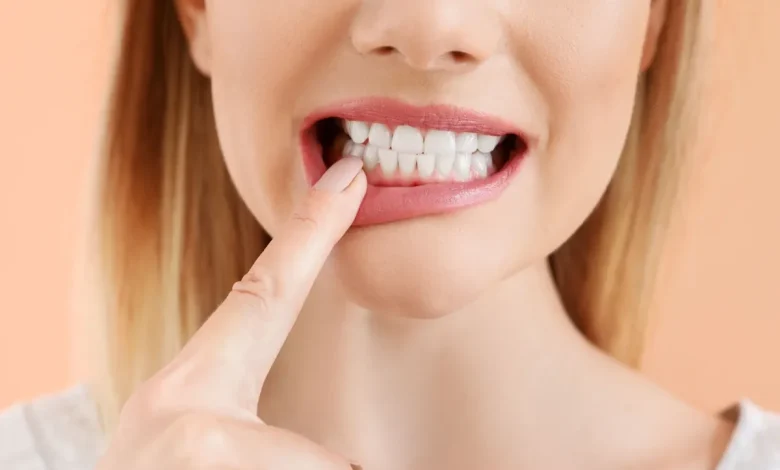
Most people view a dry mouth as a minor inconvenience or a temporary side effect of nervousness or dehydration. However, in the world of oral health, saliva is far more than just moisture; it is the primary defense mechanism for your teeth and gums. When your mouth remains chronically dry—a condition known clinically as xerostomia—you lose the biological shield that prevents decay, infection, and tooth loss.
Understanding the relationship between saliva and dental integrity is crucial for long-term health. Without intervention, dry mouth can lead to rapid dental deterioration that requires extensive and costly restorative work.
The Vital Role of Saliva in Oral Health
To understand why dry mouth is so destructive, one must first recognize what saliva actually does. Saliva is a complex fluid composed of water, electrolytes, mucus, white blood cells, epithelial cells, and enzymes. It serves several critical functions that keep the oral biome in balance.
Constant Remineralization
Your tooth enamel is the hardest substance in the human body, but it is not invincible. Every time you eat, bacteria in your mouth produce acids that dissolve the minerals in your enamel. Saliva contains high concentrations of calcium and phosphate ions. These minerals act as a natural repair kit, flowing into the microscopic gaps in your enamel to “remineralize” the tooth surface. Without this constant supply of minerals, your teeth would essentially dissolve over time.
pH Neutralization and Buffering
The mouth is a chemical battlefield. Bacteria thrive in acidic environments (a low pH). Saliva acts as a powerful buffering agent, neutralizing the acids produced by plaque-resident bacteria and the acids found in food and drinks. By maintaining a neutral pH, saliva prevents the environment from becoming corrosive.
Mechanical Cleansing
Saliva provides a physical washing action. It helps dislodge food particles and debris from the surfaces of the teeth and under the gumline. In a dry mouth, food sticks to the teeth for longer periods, providing a stagnant feast for harmful bacteria.
How Xerostomia Accelerates Tooth Decay
When salivary flow is restricted, the protective cycle is broken. This leads to a specific type of rapid-onset decay often seen in patients with chronic dry mouth.
-
Rampant Caries: Unlike standard cavities that may take years to develop, dry-mouth-induced decay can destroy multiple teeth in a matter of months. This decay often occurs in unusual places, such as the smooth surfaces of the teeth or along the gumline.
-
Root Decay: As we age, gums may recede slightly, exposing the roots of the teeth. Unlike the crown, the root is covered in cementum, which is much softer than enamel. Without saliva to protect these areas, root surfaces decay rapidly, often leading to the need for root canals or extractions.
-
Plaque Accumulation: In a moist environment, plaque is somewhat slippery and easier to remove. In a dry mouth, plaque becomes thick, heavy, and extremely adhesive. It clings to the tooth structure, making it difficult to brush away effectively.
The Impact on Gum Health and Soft Tissues
The damage from dry mouth is not limited to the teeth themselves. The soft tissues of the mouth—the gums, tongue, and cheeks—require constant lubrication to remain healthy and resilient.
Gingivitis and Periodontitis
Saliva contains antimicrobial properties, including lysozyme and immunoglobulin A, which control the population of oral bacteria. When these are absent, pathogenic bacteria flourish, leading to inflamed, bleeding gums. This chronic inflammation can eventually destroy the bone supporting the teeth, resulting in tooth loss.
Oral Candidiasis (Thrush)
A dry mouth often experiences an overgrowth of yeast, specifically Candida albicans. This leads to painful white patches, a burning sensation, and cracked corners of the mouth (angular cheilitis). These infections make it difficult to maintain proper oral hygiene, creating a feedback loop that further damages the teeth.
Common Causes of Dry Mouth
Identifying the cause of xerostomia is the first step toward protecting your teeth. While dehydration is a factor, most chronic cases stem from medical issues or lifestyle choices.
-
Medication Side Effects: Hundreds of common medications cause dry mouth as a primary side effect. These include antihistamines, antidepressants, blood pressure medications, and diuretics.
-
Aging: While not a direct cause, older adults are more likely to take multiple medications and have underlying health conditions that affect salivary glands.
-
Systemic Diseases: Conditions such as Sjogren’s syndrome, diabetes, and certain autoimmune disorders directly attack or impair the salivary glands.
-
Cancer Treatments: Radiation therapy to the head and neck can permanently damage salivary glands, leading to life-long xerostomia and extreme dental risks.
-
Lifestyle Factors: Tobacco use, alcohol consumption, and mouth breathing (often due to sleep apnea or nasal congestion) significantly dry out the oral cavity.
Strategies for Protecting Your Smile
If you suffer from dry mouth, standard dental hygiene is usually insufficient. You must adopt a proactive strategy to compensate for the lack of natural saliva.
Enhanced Oral Hygiene Habits
Because the mouth lacks natural cleaning, you must be meticulous. This includes brushing at least twice a day with high-fluoride toothpaste and flossing daily. Using a tongue scraper can also help remove the thick layer of bacteria that accumulates in a dry environment.
Saliva Substitutes and Stimulants
Over-the-counter saliva substitutes in the form of sprays, gels, or lozenges can provide temporary relief and lubrication. Additionally, chewing sugar-free gum containing xylitol can stimulate any remaining salivary gland function. Xylitol is particularly beneficial because it inhibits the growth of the bacteria that cause cavities.
Frequent Hydration and Dietary Changes
Sipping water throughout the day is essential, but it is not a perfect replacement for saliva because it lacks minerals and enzymes. Avoid sugary or acidic drinks, as these are devastating to a dry mouth. Caffeine and alcohol should also be limited, as they contribute to further dehydration of the oral tissues.
Professional Dental Intervention
Regular dental checkups are mandatory for those with dry mouth. A dentist may recommend professional-grade fluoride treatments or varnishes applied in the office to strengthen the enamel. In some cases, prescription medications that stimulate salivary flow, such as pilocarpine, may be appropriate.
Early detection of decay is vital. Once a cavity starts in a dry mouth, it spreads horizontally and vertically at an accelerated rate. Frequent cleanings help manage the aggressive plaque buildup that water alone cannot flush away.
Frequently Asked Questions
Does drinking extra water cure dry mouth and stop tooth decay?
While drinking water is necessary for systemic hydration and helps rinse the mouth, it does not possess the mineralizing proteins or pH-buffering capabilities of natural saliva. Water can alleviate the sensation of dryness, but it cannot fully replace the biological protection saliva provides to your enamel.
Why does my dry mouth seem worse at night?
Salivary production naturally decreases during sleep. If you breathe through your mouth or have a condition like sleep apnea, the remaining moisture evaporates quickly. Using a room humidifier or a specialized oral moisturizing gel before bed can help protect your teeth during the night.
Can certain foods actually help stimulate saliva production?
Crunchy, high-fiber vegetables like celery or carrots require intense chewing, which mechanically stimulates the salivary glands. However, the most effective stimulant is often sugar-free gum or mints containing xylitol, which provides a consistent stimulus without the risk of sugar-induced decay.
How can I tell if my salivary glands are permanently damaged?
A dentist or oral surgeon can perform a sialometry test to measure your salivary flow rate. If the glands are blocked or damaged by radiation or disease, the flow will be significantly below average. In many cases, the glands are simply “sluggish” due to medication and can still be stimulated.
Is there a specific type of toothpaste recommended for dry mouth sufferers?
Look for toothpaste that is free of Sodium Lauryl Sulfate (SLS). SLS is a foaming agent that can be irritating and further drying to sensitive oral tissues. Additionally, using a prescription-strength fluoride toothpaste provided by your dentist offers extra protection against rapid decay.
Can dry mouth affect the fit of my dentures?
Yes, saliva is necessary to create suction and a comfortable interface between the denture base and the gums. Without adequate moisture, dentures can cause painful friction sores and may become loose, making it difficult to eat or speak.
Does using mouthwash make dry mouth worse?
Many commercial mouthwashes contain high percentages of alcohol, which acts as a desiccant and further dries out the oral mucosa. If you have dry mouth, you should only use alcohol-free, therapeutic mouthwashes specifically formulated for xerostomia.