Find Your Perfect Basketball Hoop For Sale: A Buyer’s Guide
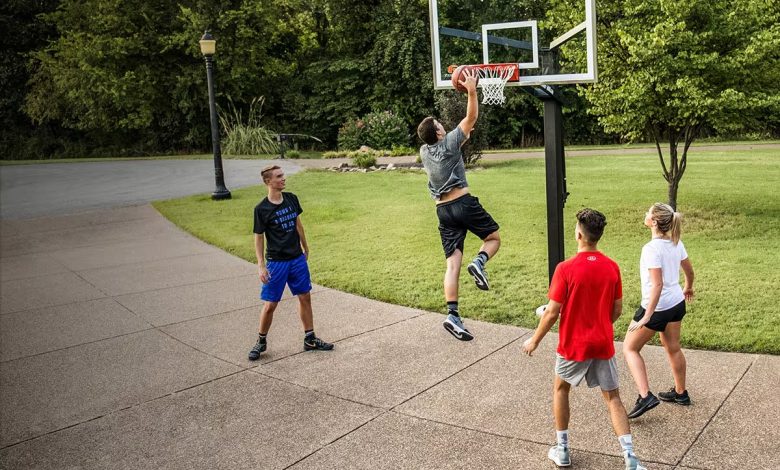
Are you in search of the perfect basketball hoop for sale? With so many options available, it can be overwhelming to find the right one for your needs. That’s why we’ve created this comprehensive buyer’s guide to help you make an informed decision. In this guide, we’ll explore various factors to consider, including your playing style, evaluation of your space, the right backboard material, and selecting the appropriate hoop height. By the end of this article, you’ll have all the knowledge you need to find the basketball hoop that suits you best.
1. Consider your playing style
Before purchasing a basketball hoop, it’s essential to consider your playing style. Here are a few questions to ask yourself:
1.1. Indoor or outdoor?
First, decide if you plan to play basketball indoors or outdoors. Indoor hoops are typically installed in gyms or basements, while outdoor hoops are designed for use in your backyard or driveway. Each option has its advantages and considerations.
If you prefer playing indoors, you’ll want a hoop that can be mounted on a wall or a portable option that can easily be set up and taken down. On the other hand, if you enjoy playing outdoors, you’ll need a hoop that can withstand various weather conditions and is durable enough to withstand rough play.
1.2. Dunking or shooting?
Another important factor to consider is your playing style. Are you someone who enjoys dunking or prefers shooting from a distance? This will influence the type of hoop you should choose.
If you aspire to dunk, you’ll need a hoop with a sturdy, breakaway rim that can handle the force of your dunks. Look for a hoop with a reinforced backboard and a heavy-duty rim to ensure it can withstand the pressure.
On the other hand, if shooting is your focus, you may prefer a hoop with a smaller backboard and a rim that provides a consistent bounce. This can help improve your shooting skills and accuracy.
1.3. Recreational or competitive?
Consider whether you plan to use the basketball hoop for recreational play or if you have more competitive aspirations. This will determine the level of durability and performance you’ll require.
If you’re playing recreationally with friends and family, a hoop with a lower price point and fewer bells and whistles may suffice. However, if you’re looking to practice and develop your skills or participate in competitive games, you’ll want a hoop that offers professional-grade performance and durability.
2. Evaluate your space
The next consideration when purchasing a basketball hoop is evaluating the available space where it will be installed. Here are a few factors to keep in mind:
2.1. Size of your backyard or driveway
Start by measuring the available space in your backyard or driveway where you plan to install the basketball hoop. Ensure you have enough room for playing and clearances to prevent accidents or damage to property.
If space is limited, you may need to consider a smaller hoop size or a portable option that can be easily moved and stored when not in use. However, if you have a larger area, you can opt for a full-size basketball hoop that provides an authentic playing experience.
2.2. Overhang and clearance requirements
When choosing basketball hoops for sale, consider the overhang and clearance requirements for your space. The overhang refers to the distance between the backboard and the pole or wall, while clearance refers to the space around the hoop for safe play.
If you plan to install the hoop near a wall or structure, make sure you have enough overhang to allow for proper shooting and rebounding angles. Additionally, ensure there is sufficient clearance on all sides of the hoop to reduce the risk of injury during gameplay.
2.3. Portable or in-ground?
Determine whether you want a portable or in-ground basketball hoop. Portable hoops are more versatile as they can be moved around easily, while in-ground hoops offer a more permanent and stable solution.
If you anticipate moving or relocating in the future, a portable hoop may be the better choice. However, if you have a dedicated space and don’t plan on moving the hoop frequently, an in-ground option provides a more stable and authentic playing experience.
3. Choose the right backboard material
The backboard of a basketball hoop plays a crucial role in determining its performance and durability. Here are three common backboard materials to consider:
3.1. Tempered glass for professional performance
Tempered glass is the preferred choice for professional basketball players and serious enthusiasts. It provides the best rebound performance and has a clear, unobstructed view. However, tempered glass backboards tend to be more expensive and require careful installation to prevent damage.
3.2. Acrylic for a balance of performance and affordability
If you’re looking for a balance between performance and affordability, acrylic backboards are a popular choice. Acrylic is durable and provides a good rebound, making it suitable for recreational play. It’s also less expensive compared to tempered glass.
3.3. Polycarbonate for durability and recreational play
Polycarbonate backboards are highly durable and can withstand rough play and harsh weather conditions. They are a great option for recreational use and for families with enthusiastic young players. While they may not offer the same level of performance as tempered glass or acrylic, they provide excellent durability at a budget-friendly price.
4. Select the appropriate hoop height
The height of the basketball hoop is an important consideration, especially if you’re purchasing one for young players. Here are a few factors to keep in mind:
4.1. Adjustable-height systems for versatility
If you have multiple family members of different ages or skill levels, an adjustable-height basketball hoop is a wise choice. These systems allow you to easily change the height to accommodate various players’ needs and preferences. Look for a hoop with a reliable height adjustment mechanism that can withstand frequent adjustments.
4.2. Fixed-height systems for regulation play
For those who prefer regulation play or have advanced skill levels, a fixed-height basketball hoop is suitable. These hoops are designed to meet standard height requirements and provide a more authentic playing experience. However, keep in mind that a fixed-height hoop may not be suitable for younger or shorter players who require a lower hoop.
4.3. Consider age and skill level
Lastly, consider the age and skill level of the players who will be using the basketball hoop. Young children or beginners may benefit from a lower hoop height to build confidence and develop their skills. As they progress, you can adjust the height accordingly to challenge them and promote further improvement.
Now that you have a thorough understanding of what to consider when purchasing a basketball hoop, you can confidently make an informed decision. Remember to take into account your playing style, evaluate your available space, choose the appropriate backboard material, and select the right hoop height. With the right basketball hoop, you’ll be ready to shoot some hoops and enjoy countless hours of fun and physical activity!
FAQ
Question: What should I consider when choosing a basketball hoop?
Answer: When choosing a basketball hoop, consider your playing style (indoor or outdoor, dunking or shooting, recreational or competitive), evaluate your space (size of your backyard or driveway, overhang and clearance requirements, portable or in-ground), choose the right backboard material (tempered glass for professional performance, acrylic for a balance of performance and affordability, polycarbonate for durability and recreational play), and select the appropriate hoop height (adjustable-height systems for versatility, fixed-height systems for regulation play, consider age and skill level).
Question: What is the difference between indoor and outdoor basketball hoops?
Answer: Indoor hoops are typically installed in gyms or basements, while outdoor hoops are designed for use in your backyard or driveway. Indoor hoops can be mounted on a wall or be portable, while outdoor hoops are designed to withstand weather conditions and rough play.
Question: What should I look for in a hoop if I enjoy dunking?
Answer: If you enjoy dunking, look for a hoop with a sturdy, breakaway rim that can handle the force of your dunks. It should also have a reinforced backboard and a heavy-duty rim to ensure durability.
Question: What type of hoop is best for shooting from a distance?
Answer: If shooting is your focus, you may prefer a hoop with a smaller backboard and a rim that provides a consistent bounce. This can help improve your shooting skills and accuracy.
Question: Should I choose a recreational or competitive basketball hoop?
Answer: If you’re playing recreationally with friends and family, a hoop with a lower price point and fewer features may suffice. However, if you’re looking to practice and develop your skills or participate in competitive games, you’ll want a hoop that offers professional-grade performance and durability.
Question: What factors should I consider when evaluating my space for a basketball hoop?
Answer: Consider the size of your backyard or driveway, the overhang and clearance requirements, and whether you want a portable or in-ground hoop.
Question: What are the different backboard materials and their pros and cons?
Answer: The three common backboard materials are tempered glass (professional performance but more expensive), acrylic (balance of performance and affordability), and polycarbonate (durable and budget-friendly).
Question: How do I choose the right hoop height?
Answer: If you have multiple family members of different ages or skill levels, an adjustable-height basketball hoop is a wise choice. For regulation play or advanced skill levels, a fixed-height hoop is suitable. Consider the age and skill level of the players when selecting the hoop height.
Useful Resources:
- com – A comprehensive website dedicated to all things basketball, including buying guides, tips, and resources.
- com – The official website of the National Basketball Association, which provides information about the game, rules, and professional basketball equipment.
- AAU Basketball – The Amateur Athletic Union (AAU) is one of the largest youth sports organizations in the United States and provides resources for basketball players of all ages and skill levels.
- USA Basketball – The governing body for basketball in the United States, USA Basketball provides educational resources, training programs, and coaching tips.
- FIBA Basketball – The International Basketball Federation (FIBA) is the world governing body for basketball and offers resources for players, coaches, and officials.
- DICK’S Sporting Goods – A leading sports retailer that offers a wide selection of basketball hoops and equipment. Their website provides product reviews and buying guides.
- HomeCourt – A basketball training app that uses artificial intelligence to analyze and improve your shooting technique.
- YouTube – A platform with a vast collection of basketball tutorials, training videos, and highlights that can help you learn and improve your skills.